Power BI as a development platform
Notes on the shift Power BI has gone through: from reporting tool to development platform. Git integration, deployment pipelines, code-first modelling — the platform is not what it used to be.
From reporting tool to development platform
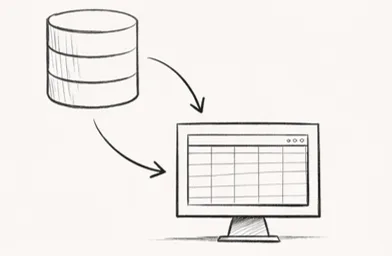
Power BI started as a tool that let analysts build reports quickly — drag, drop, publish. That is still possible, but the tool has become something quite different. With the integration of Microsoft Fabric, Power BI has become part of a broader data ecosystem, with lakehouse storage, dataflows, pipelines and semantic models deployed as shared infrastructure.
Git integration and version control
One of the most discussed developments is the Git integration for Power BI Desktop and the service. Reports and semantic models can be saved in Git repositories, enabling collaboration, version control and rollback. This sounds obvious to software developers, but for BI teams it simply was not available for a long time. The practical implications are significant:
- Multiple people can work on the same model simultaneously
- Changes are traceable
- Mistakes can be reversed
- Code reviews are possible before a model is published
Deployment pipelines and automation
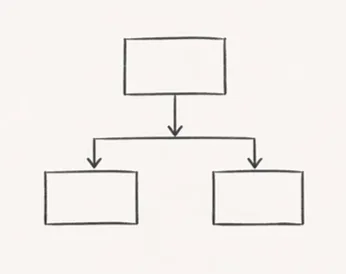
Alongside Git integration, deployment pipelines in Fabric have been extended further. A deployment pipeline allows a model to be promoted in a controlled way from development to test to production, with every step automated and every step able to include approval logic. That brings BI development closer to the standards of software development. For teams working seriously with Power BI, this is no longer a nice-to-have — it is infrastructure.
Code-first modelling
Another shift is the rise of code-first modelling. Tools like Tabular Editor and the TMDL format make it possible to describe and manage semantic models as text files, which fits well with Git workflows. A model in TMDL can be versioned, reviewed and automatically deployed in the same way as software.
It does require a different mindset — modelling through an interface is different from modelling through code. But for teams that want to work at scale, the advantages are significant.
Reflection
Power BI is no longer a simple reporting tool. That creates opportunities for teams that want to professionalise, but it also means the expectations have changed. The skills that are becoming relevant now sit at the intersection of BI, data engineering and software development.
That professionalisation is something I support through the training I offer — from foundational skills to working with Git, TMDL and deployment pipelines. Tailored to the level and context of each team.
More notes are on the notes overview.