
Starting small
As data and fact-based decision-making have grown in importance, you increasingly see organisations waiting. Waiting for the data engineer. For the platform. For the moment when everything is finally in place. Meanwhile nothing happens — even though the data is already there.
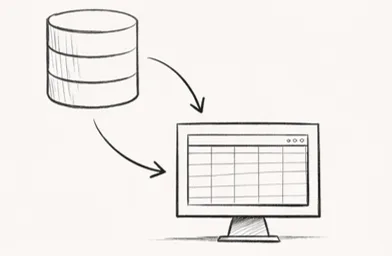
You do not need a data engineer
Seriously. You do not need a data lake, a medallion architecture, or a central team writing a design document first. You need: one question you want answered. And data that has the answer in it.
The organisations I know that are furthest along in data did not start with the best infrastructure. They just started.
One model. One report. Start.
That is enough for a first step. Really.
- One data source, properly modelled
- One report that answers the question the team has been asking for weeks
- One MVP that someone actually finds useful
That MVP is how you build traction. People see it works. They trust the data. They want more. That is how you create momentum — not with an architecture plan that needs sign-off from ten people first.
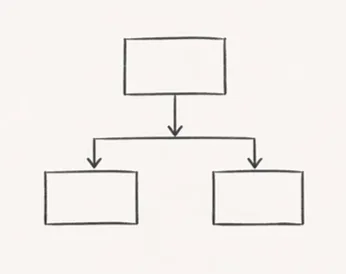
Building for problems you do not have yet
The temptation is real: make everything scalable from day one. Medallion architecture, a central semantic layer, deployment pipelines — all before a single report exists. But that architecture is at its best when it grows from real experience. With real questions. From real users.
Start with complexity and you are building infrastructure for problems you do not have yet. Start with a concrete report and you quickly understand which problems you will actually encounter.
Trust is built small
There is something else. When you start small, the people using the report also understand what is in it. They know where the data comes from. They understand what the measures mean. That trust is hard to build if you start with twenty pages and a hundred KPIs.
A report that answers three questions well gets used more often than a dashboard that tries to show everything.
Just start
Starting small is not a lack of ambition. It is the smartest way to learn what you actually need — and to deliver something useful that people will actually use.
Want to talk through what a meaningful first step might look like for your organisation? Get in touch.
More notes are on the notes overview.