
Notes from the Power BI Gebruikersdagen 2026
At the Power BI Gebruikersdagen 2026 I attended several sessions on modelling, governance, AI and the evolution of the Power BI platform. As with most events like this, the most interesting insights were not only in the big announcements, but in the presentations and conversations that show how organisations actually work with data.
In this series I share a number of short notes and observations that stayed with me. This page is about data governance.
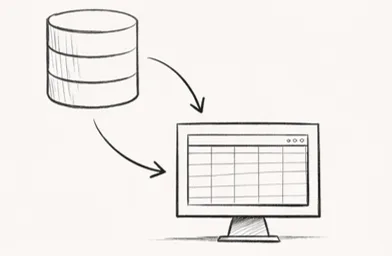
Why governance is becoming more important
Many organisations now have a mature Power BI environment. What often started with a few reports for a small team has grown into:
- dozens of datasets
- hundreds of reports
- multiple teams using and publishing data
At that point a different question arises: not how to build a report, but which data you can actually trust. That is where data governance begins.
What data governance actually means
Data governance is often confused with technical administration, such as:
- creating workspaces
- setting up roles
- configuring Row Level Security
- managing access to datasets
These are important parts of administration, but governance is about something else: agreements around data, such as:
- who owns a dataset
- what a definition precisely means
- how the quality of data is maintained
- how long data is kept
- what users of a dataset can expect from it
The goal is straightforward: making sure people understand what data means and when they can trust it.
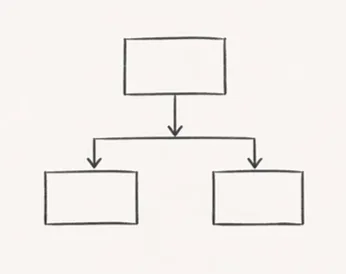
Ownership as a starting point
One of the clearest insights from several sessions was actually surprisingly simple: data governance starts with ownership. In many organisations, datasets belong to nobody, they exist, they get used, but when a question arises about definitions or quality, nobody knows exactly who to ask.
Good governance therefore starts with three roles. The builder is the person or team that builds a dataset or semantic model. The user is the people who create reports or run analyses using the data. Management is the organisation that decides data is important enough to make agreements about.
Without these three roles, governance stays a technical topic. With these three roles, it becomes an organisational one.
The role of information analysis
Governance often starts earlier than most people expect, not at the report, but at the information analysis. During a proper analysis you ask questions such as:
- what questions does the organisation want to answer
- which definitions belong to those questions
- which data sources are used
- how often data is refreshed
- who owns the information
When you document this, you are already building part of your governance and capturing important metadata at the same time. That may feel administrative, but it forms the foundation for reliable datasets and shared semantic models later on.
Governance as a foundation for reliable data
As datasets are used more often, their role gradually changes. What started as a dataset for one report can grow into a model used by multiple teams. At that point it becomes important to be clear about:
- what the dataset precisely describes
- which definitions are used
- how often data is refreshed
- who is responsible for changes
Governance ensures these questions are not only asked when problems arise, but from the moment data is designed.
Reflection
Governance is often seen as something only large organisations need. But as soon as multiple people use Power BI, governance emerges on its own. The only difference is whether the agreements are explicit, or whether everyone works from their own interpretation.
Data ownership, capturing definitions and setting clear expectations around data use are themes that come up in almost every engagement I take on, whether that is a shorter Power BI training or a longer programme with a team.
A natural next step after governance is thinking about data products and data contracts: the way to give those agreements a concrete structure. The other topics in this series are on the overview page.